Cropping
Cropping is divided into feedstock for the AD plant and conventional combinable crops.
Forage rye, forage triticale, sugar/fodder beet and multi-cut silage grass are all grown for feeding the AD plant,
While Winter wheat, Winter/Spring Oats are all grown for conventional cereal harvest.
Spring wheat is grown as a multi purpose crop to be either wholecropped if required for AD forage, or combined if not.
The cropping strategy includes block cropping where possible to make our large machinery more efficient
| Cropping Plan | ||||
| 2026/27 |
||||
| Winter Wheat | 400Ha | |||
| Spring Wheat | 60Ha | |||
| Winter Oats | 70Ha | |||
| Spring Oats |
70Ha | |||
| Forage Rye | 325Ha | |||
| Forage Triticale | 60Ha | |||
| Multi-cut Silage Grass | 200Ha | |||
| Sugar Beet | 165Ha |
|||
| Land let out for Potatoes EFA, Environmental Schemes & Game Cover | 80ha 120Ha | |||
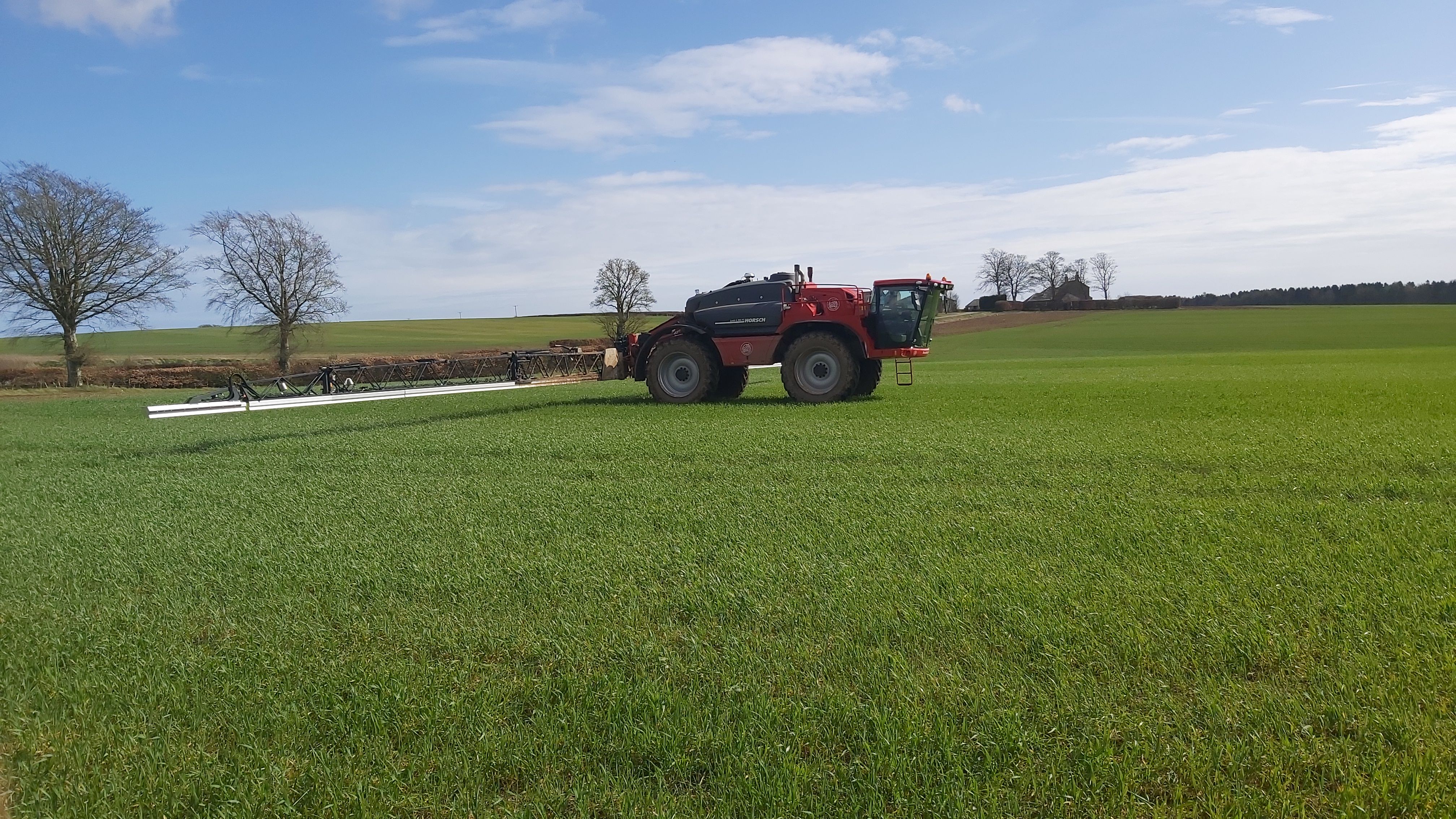
Each block of fields is treated as one when spraying or applying fertiliser, not only for ease of management but more importantly, each block can easily be treated in one day. Thus, critical growth stage timings are not missed, and harvest operations are greatly improved with the resultant reduction in lengthy inter-field movements.
Crop Markets
Winter & Spring Wheat
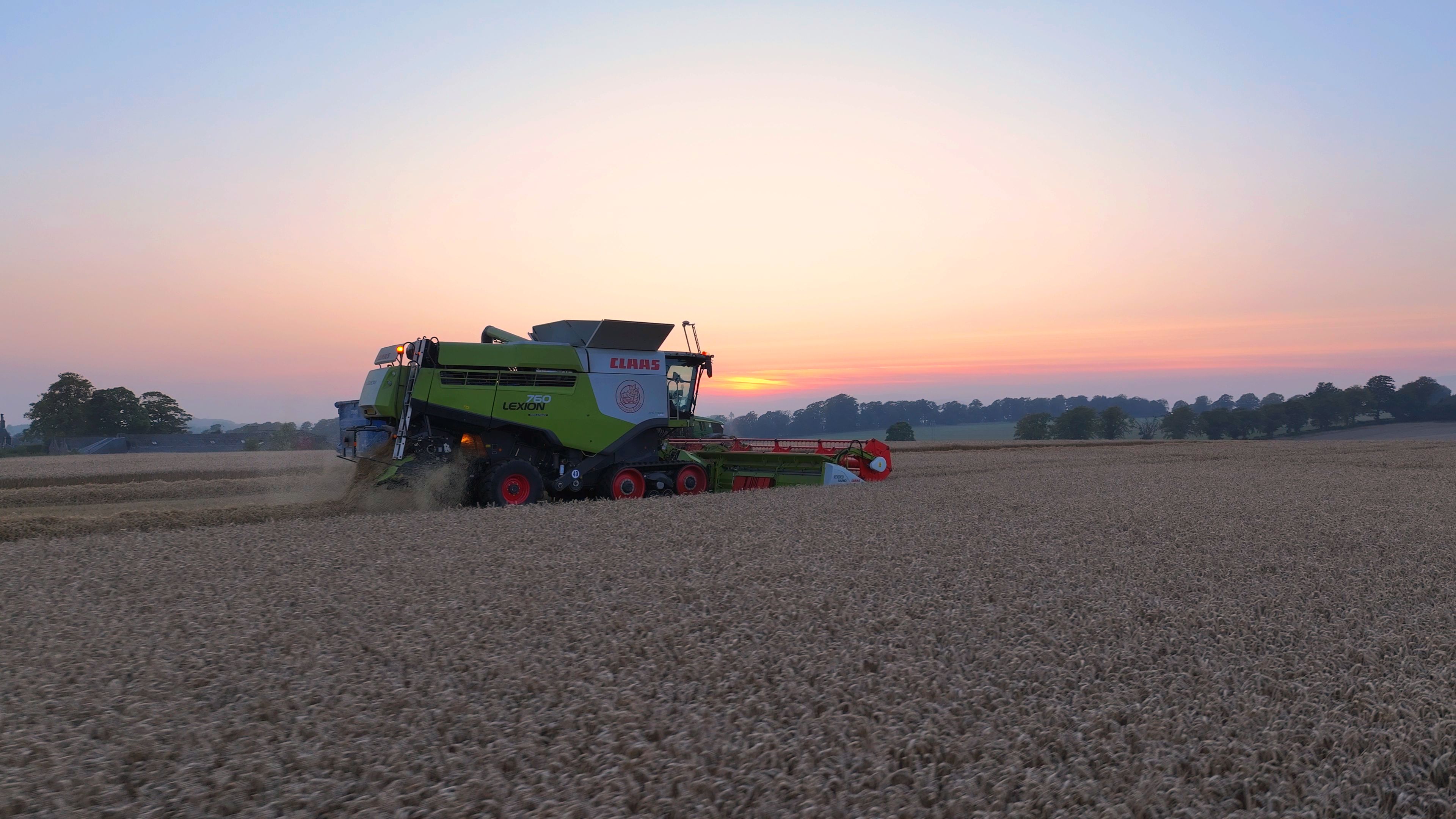
Our wheat is grown for distilling or animal feed. Winter Varieties such as Extase, Monza, Hexton and Sundance are selected for their yield potential and disease resistance. Varieties with higher Septoria resistance are preferred to help reduce the reliance on chemical control. We aim to drill as early as possible, often drilling most of the wheat in August following grass and Oats, only wheat following potatoes is late drilled, so we select vigorous early varieties that grow large biomass to then graze off with sheep going into winter.
Spring Wheat is grown following winter harvested Sugar Beet with early spring slurry application ahead of drilling. This has performed very well here giving an excellent yielding spring crop with the options of either wholecrop for the AD plant if the rye/triticale hasn't already filled the silage pits or through the combine and sold through conventional feed wheat markets, or even bruised and fed to the AD plant as grain
Spring & Winter Oats
We concentrate on growing specific varieties suitable for Quaker Oats. Penrose, Conway & Caledon are grown on contract for Oat Co Scotland and supplied through this farmer lead growing group to Pepsi Co, delivered into their Fife milling plant. It is marketed as Quakers and Scots Porridge Oats.
Forage Rye & Triticale
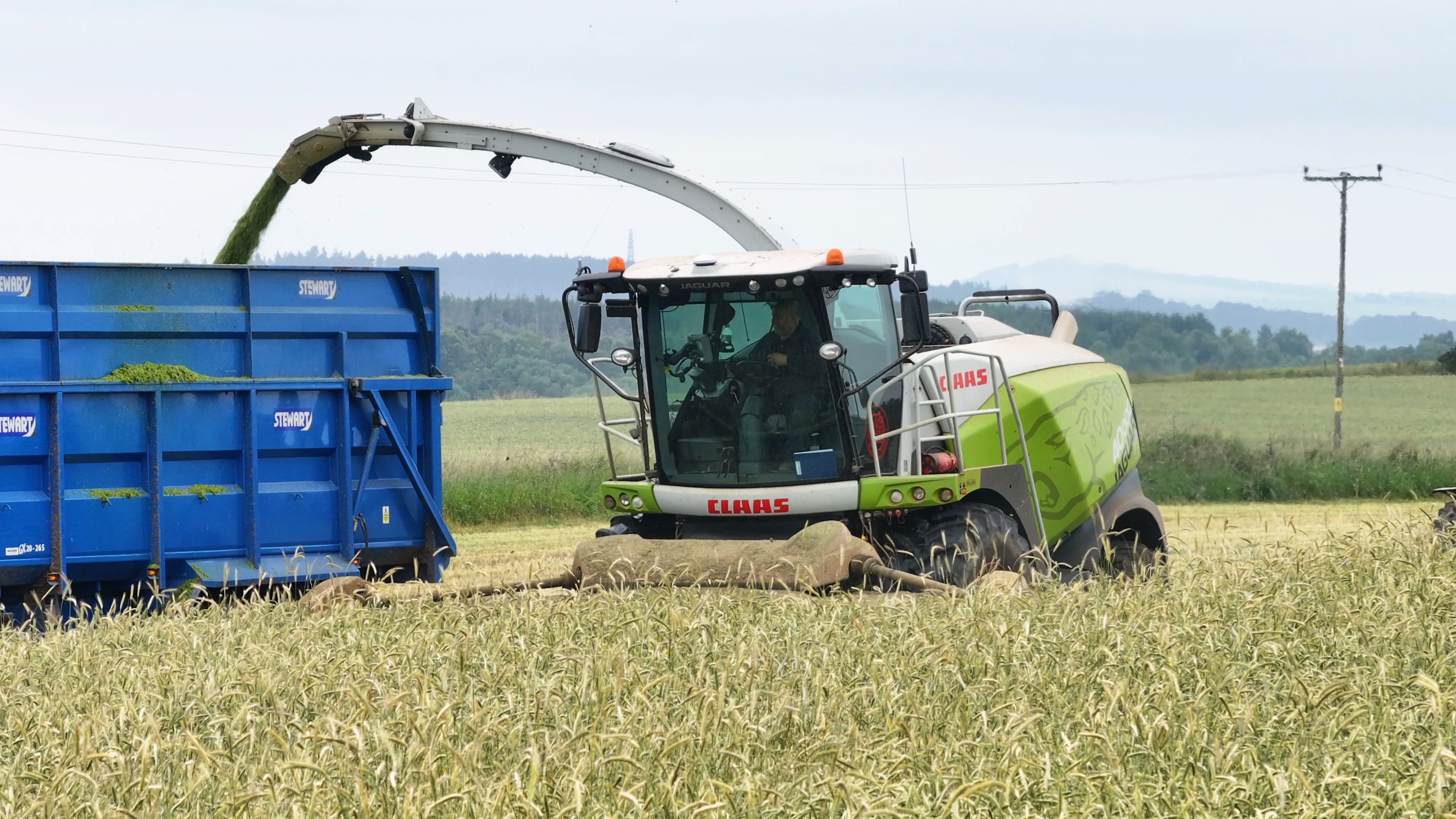
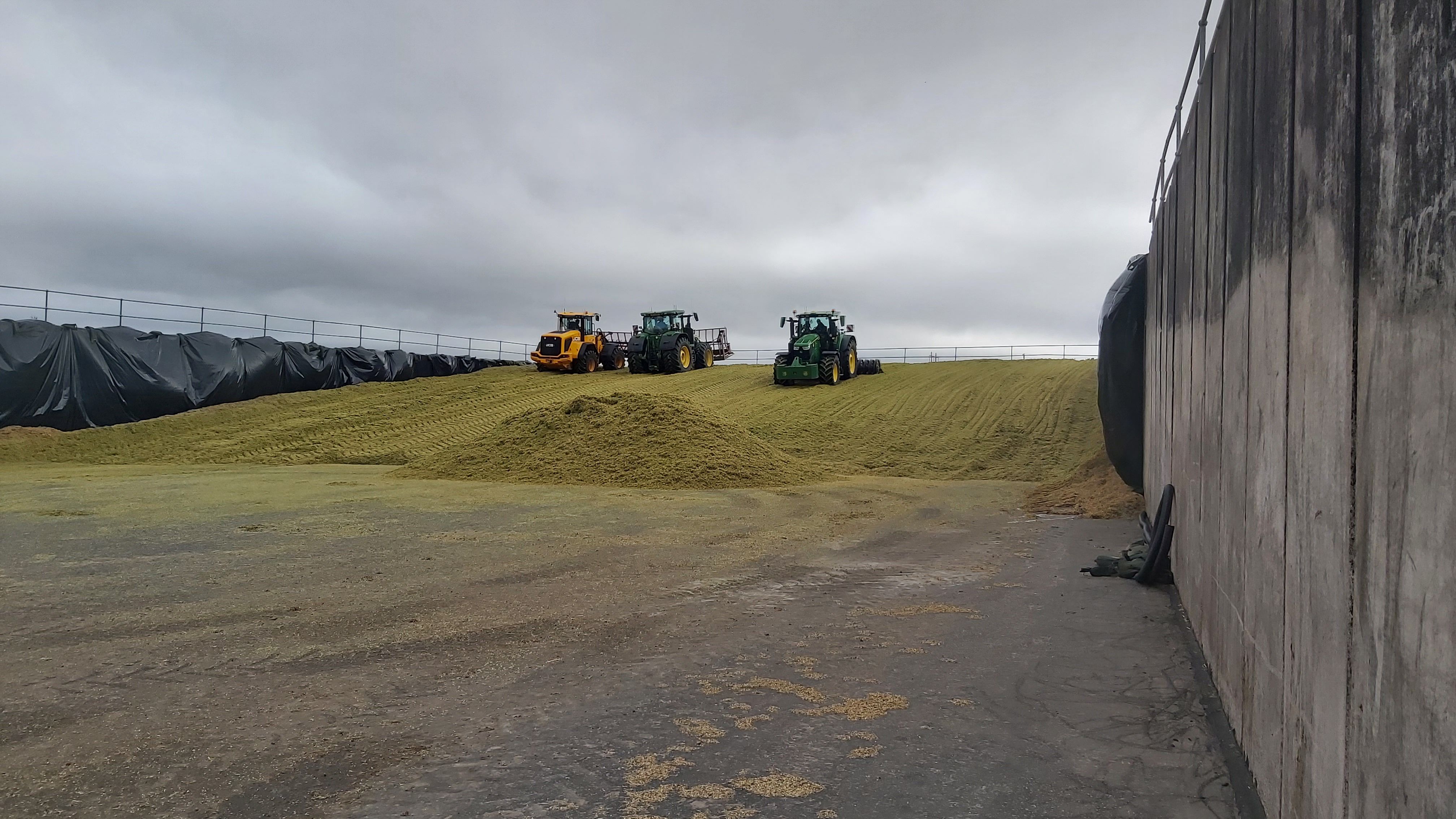
Cereal rye is grown to be whole-crop harvested by the estates own forage harvester, this is clamped to be fed to the AD plant throughout the winter. Tritcale helps to spread our forage harvest to enable us to harvest over 350ha of wholecrop with a single forage harvester and still maintain optimum feedstock quality
Sugar/Fodder Beet
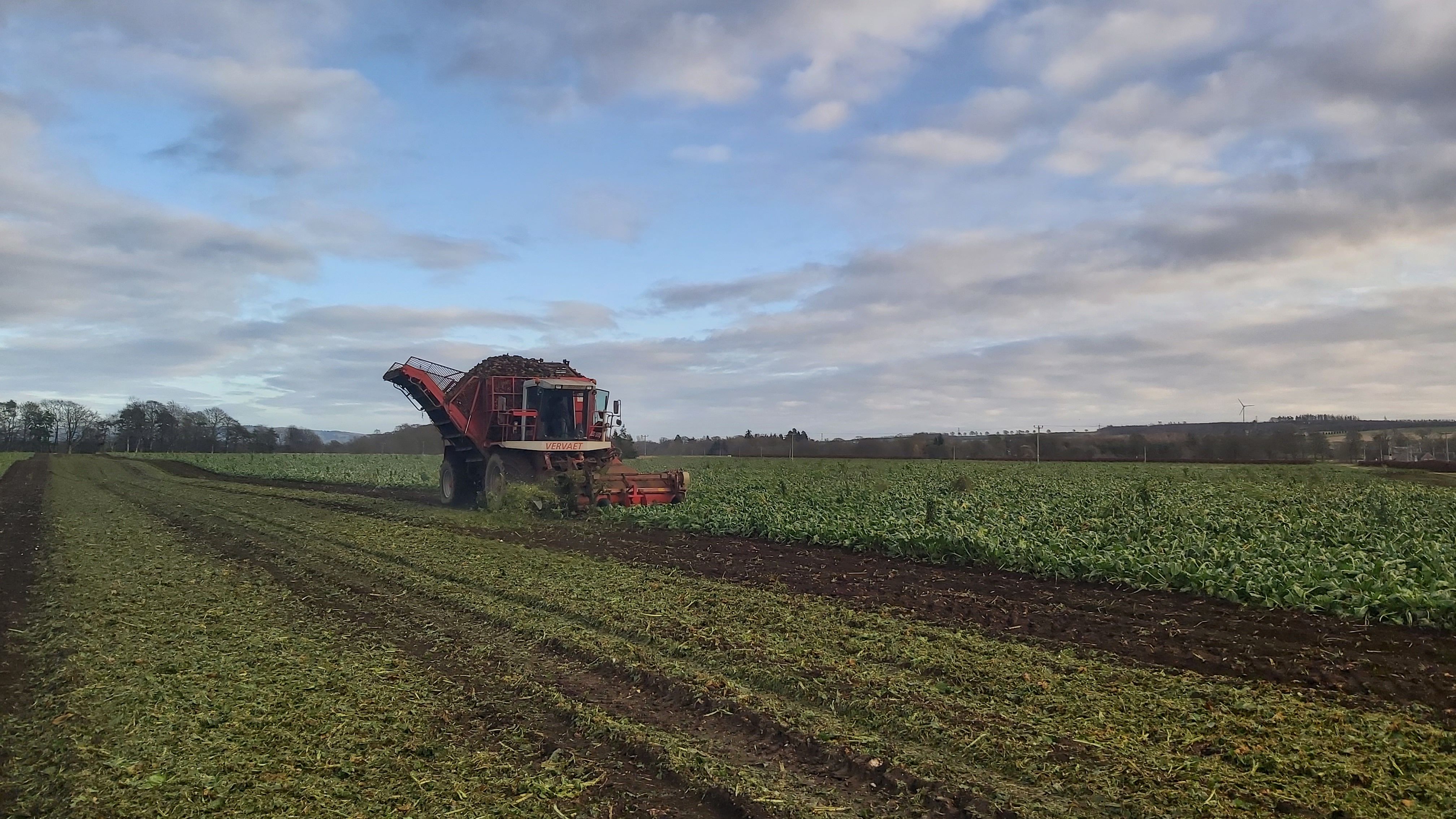
Beet is grown as an excellent source of energy for the AD Plant. All beet is harvested by our own team, then washed & chopped on site before being fed to the AD Plant from October through until May.
Silage Grass
4 cuts of silage are taken each year as feedstock for the AD Plant, Grass leys are put down for two years as part of the arable rotation allowing the field to get a break from cereals and build up nutrients. Where possible the Nitrogen required is provided through liquid digestate applications.
EFA, Environmental schemes
We are proud to have over 120ha of the estate designated to environmental improvement and habitat restoration.
This is made up of hedges, margins, wetlands, game cover and cover crops. We try where possible to utilise poorer performing areas of the estate to balance productive arable farming with habitat creation and restoration.